Maldive Fish Chips Pol Sambol (Sri Lankan Coconut Sambol)
The umami-packed Sri Lankan coconut relish you grew up with — fresh grated coconut, fiery chilli, lime, and Maldive fish chips. Ten minutes, no cooking, transforms rice and curry.

Method
- 1
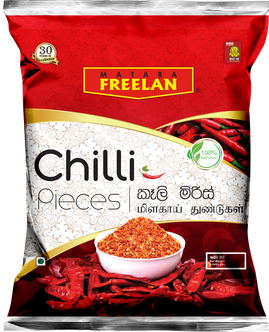
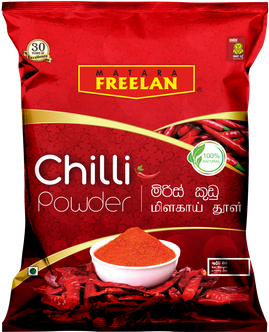
Toast the dried chillies very lightly in a dry pan for 30 seconds until fragrant, then pound them in a mortar (or pulse in a spice grinder) until coarsely crushed. You want flecks of red, not a fine powder.
- 2
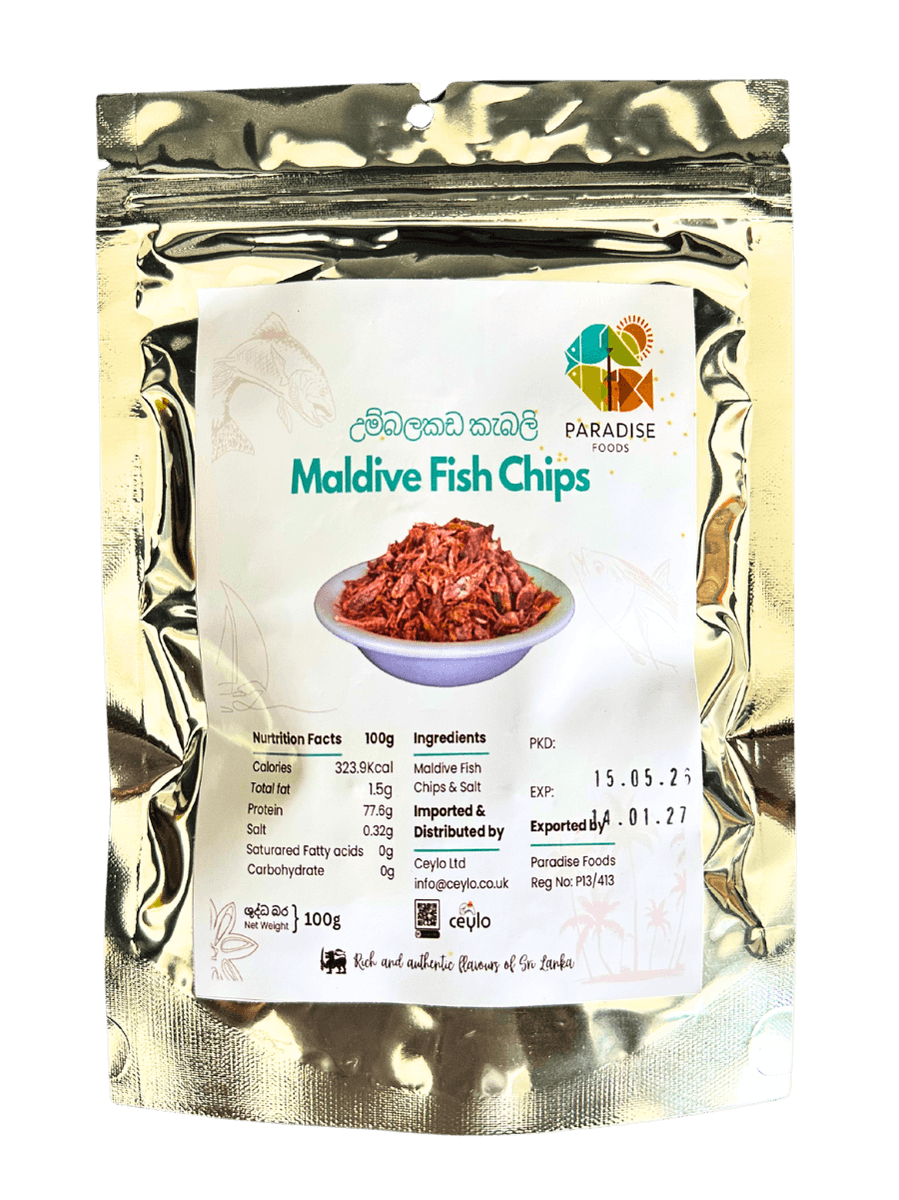
Grind the Maldive fish chips in the same mortar or grinder until fluffy and fine — the texture should look like coarse breadcrumbs.
- 3
In a wide bowl, combine the grated coconut, ground Maldive fish, crushed chilli, finely chopped onion and the optional green chilli.
- 4
Sprinkle over the salt and the lime juice. Using clean hands, work everything together for about a minute — squeezing gently so the coconut releases a little of its oil and absorbs the flavours.
- 5
Taste. Adjust with more salt, more lime, or more chilli until it sings. Pol sambol should be vivid, slightly salty, sharp with lime, and quietly fiery from the chilli.
- 6
Serve at room temperature. Best eaten the day it's made.
What is Pol Sambol
Pol sambol is the cornerstone of a Sri Lankan table — a fresh, fiery coconut relish that turns plain rice into a meal and elevates string hoppers, milk rice (kiribath), pittu and roti into something you remember.
Every household has its own version. Some use only red onion; others swap in shallots. Some keep it sharp with extra lime; others soften it with a touch of sugar. Maldive fish chips are what give it the unmistakable savoury depth that no chilli on its own can deliver.
This recipe is the version most Sri Lankan home cooks would recognise — uncomplicated, no cooking, ready in ten minutes.
What are Maldive fish chips?
Maldive fish (umbalakada in Sinhala, masi karuvadu in Tamil) is skipjack tuna that's been boiled, smoked, and sun-dried until rock hard. It's then shaved or chipped into small flakes for cooking. A pinch carries enormous umami weight — think Sri Lanka's answer to bonito flakes or anchovy paste.
You only need a small amount. Two tablespoons of Maldive fish chips is enough for a full bowl of pol sambol that feeds a family. Stored in an airtight container, the chips keep for months in a cool dry cupboard.
How to serve Pol Sambol
Pol sambol is a sidekick, not a main. It's there to wake up other things on the plate:
- With rice and curry. A spoonful on the side of any curry — fish, chicken, dhal, jackfruit — lifts the whole meal.
- With kiribath (milk rice). The classic New Year breakfast. Diamond-cut slabs of milk rice with a smear of pol sambol on top.
- With string hoppers (idiyappam). Steamed rice noodles, a coconut milk gravy, and pol sambol — a Sunday breakfast across the diaspora.
- With pittu. Layered rice and coconut steamed in a bamboo cylinder. Pol sambol is non-negotiable.
- In a roti wrap. Spread a thin layer inside a hot godhamba roti with a slice of cheddar. Don't knock it until you've tried it.
Tips for the best texture
The texture of pol sambol matters as much as the flavour. A few things make a real difference:
- Fresh coconut wins. If you can get a fresh coconut, grate it on the day. Frozen grated coconut (defrosted) is the next-best option. Desiccated coconut works at a pinch — just rehydrate it with two tablespoons of warm water for ten minutes before mixing.
- Chop the onion fine. Big chunks of raw onion overwhelm the dish. Aim for ½ cm dice or finer.
- Use your hands. A spoon doesn't work the coconut. Hands let you feel when the texture is right — slightly damp, holding together loosely, but not wet.
- Lime at the end, not the start. Adding lime early makes the coconut go limp. Mix everything dry first, then lime last.
Variations
- Lunu miris pol sambol. Add a teaspoon of crushed maldive fish at the start of pounding the chillies for a deeper, more rounded heat.
- Pol sambol with goraka. A small piece of soaked goraka adds a sour fruity note — try it once and you'll keep adding it.
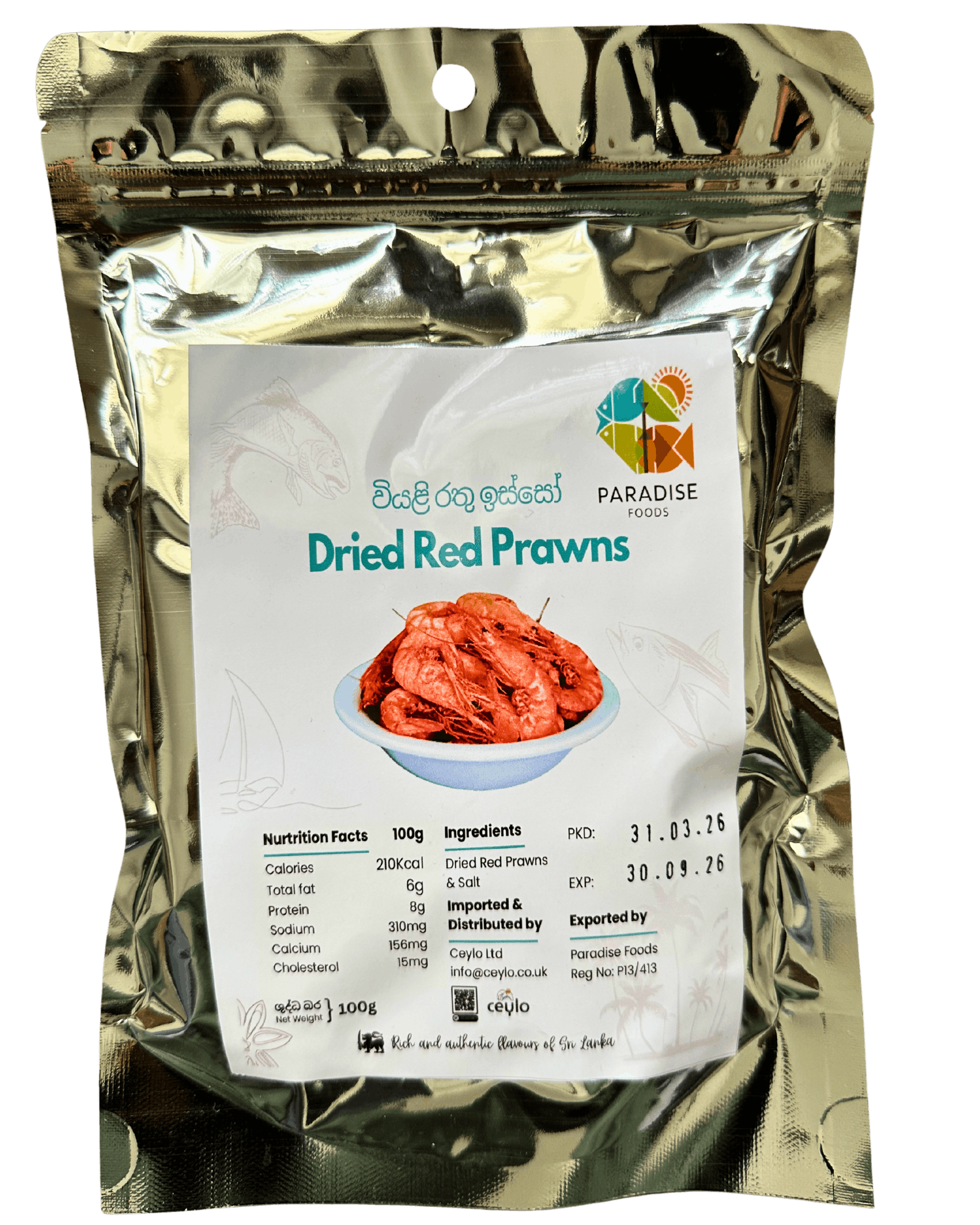
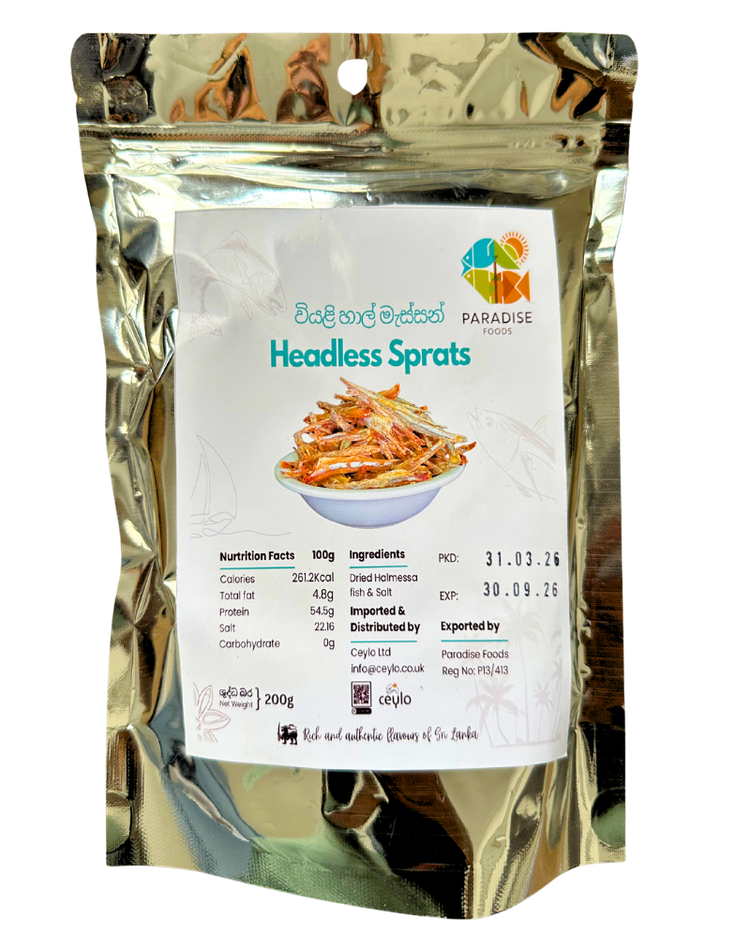
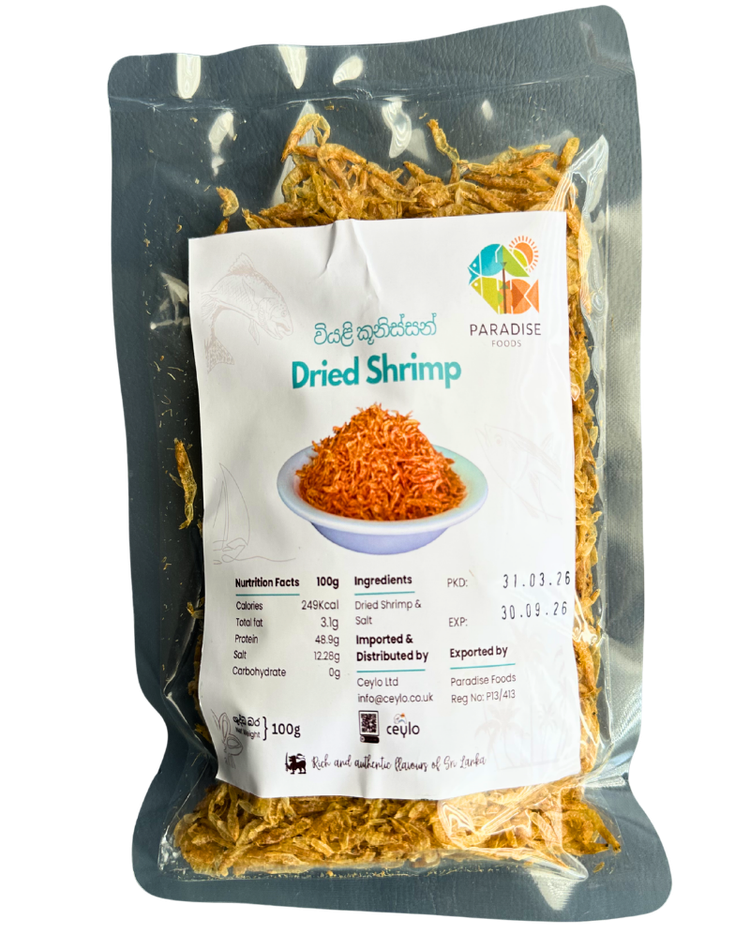
- Coconut and dried prawn. Swap the Maldive fish for ground dried prawns for a sweeter, more aromatic version.
- Mild for kids. Skip the dried chilli, halve the onion, lean on lime and salt. Still recognisable as pol sambol.
Storage
Pol sambol is meant to be eaten the day it's made — that's when the coconut is at its freshest and the lime is brightest. If you do have leftovers, refrigerate in an airtight container for up to two days. The flavour stays but the texture loses some of its life.
Frequently asked questions
Can I make pol sambol without Maldive fish chips? You can, and many vegetarian households do. The result is a different dish — coconut sambol rather than pol sambol — and you'll want to lift the savouriness with a little more salt, a pinch of MSG (if you use it), or a teaspoon of soy sauce. But if you want the real flavour of the dish your grandmother made, Maldive fish chips are non-negotiable.
Are Maldive fish chips spicy? Not at all. They're salty and intensely umami, with no heat of their own. The chilli is what brings the fire.
Where can I buy Maldive fish chips in the UK? Right here — Ceylo ships Maldive fish chips and the rest of the Sri Lankan pantry across the UK, with tracked Royal Mail delivery in two working days.
Get the ingredients
Everything you need to make this recipe, in one shop.