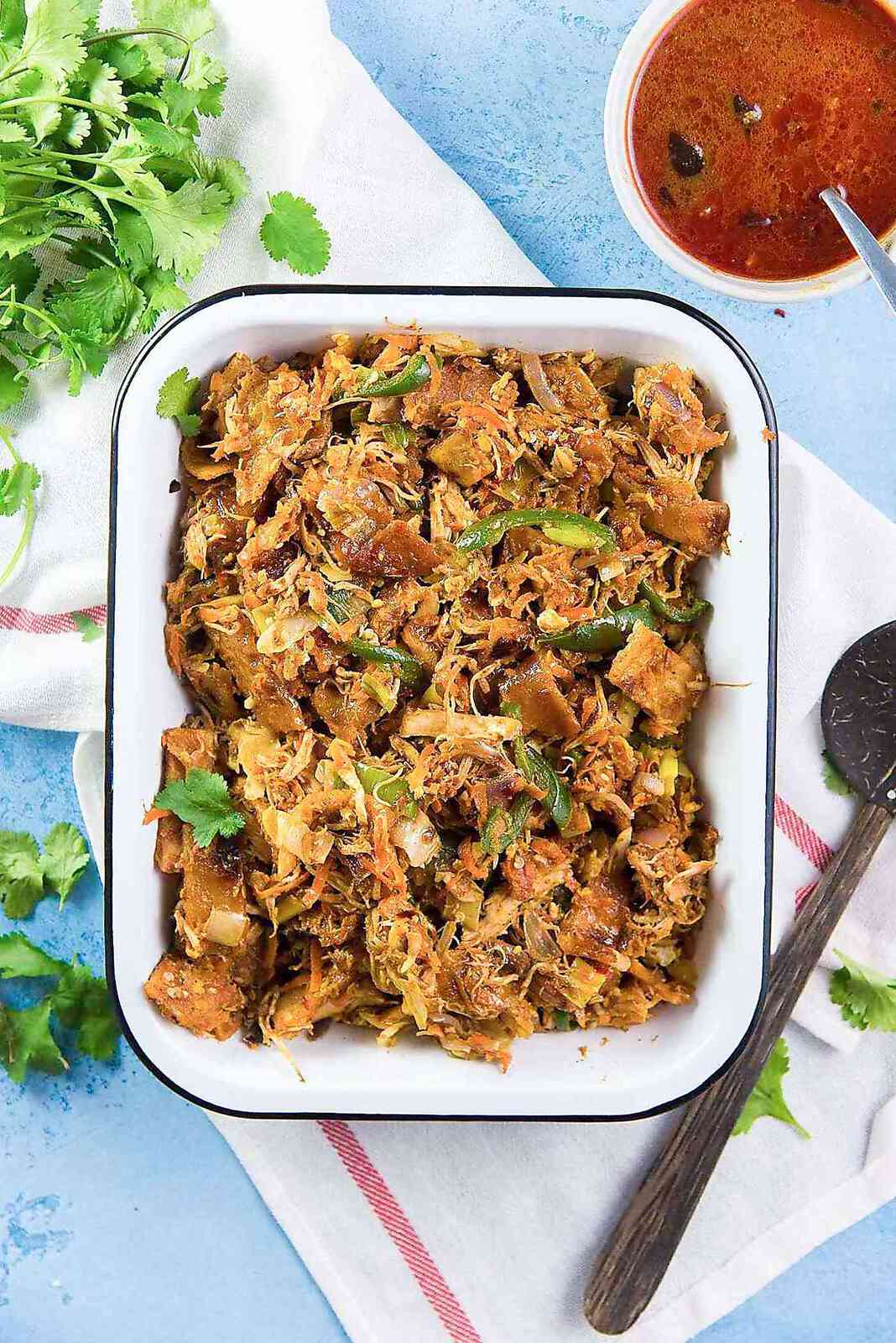
Kothu Roti (Sri Lankan Street Food Classic)
The chopped-roti stir-fry that defines Sri Lankan late-night eating. Twenty minutes, one pan, the rhythm of the streets in your kitchen.
Method
- 1
Stack the roti and slice into 1 cm thick strips, then again across to make rough postage-stamp-sized pieces. Day-old roti chops better than fresh — fresh tears.
- 2
Heat 1 tbsp oil in a wok or large frying pan over medium heat. Crack in the eggs, scramble lightly, then transfer to a bowl.
- 3
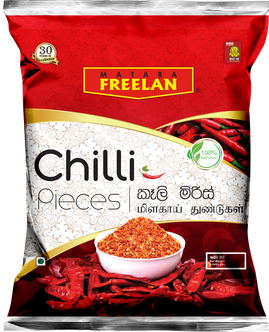
Add the remaining oil to the same pan. When it shimmers, add the curry leaves, onion, green chilli, garlic and ginger. Stir-fry for 3 minutes until the onion is soft and golden at the edges.
- 4
Add the carrot and leek. Stir-fry for 2 more minutes — you want the veg still crunchy.
- 5
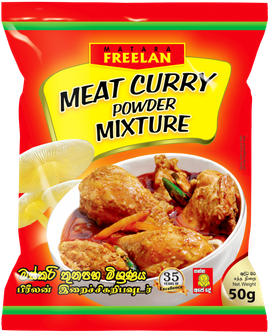
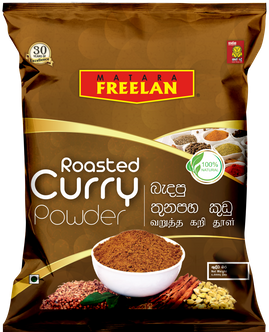
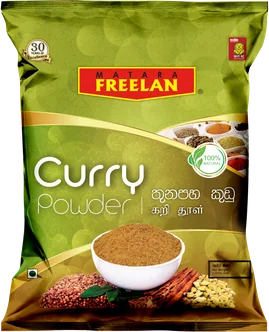
Stir in the curry powder. Toast for 20 seconds in the dry heat.
- 6
Add the chopped chicken curry (or cooked chicken) and pour in the gravy/stock. Bubble for 1 minute to bring everything together.
- 7
Tip in the chopped roti and the scrambled egg. Now the kothu part begins — use two spatulas to chop, fold, and stir the mixture continuously for 3-4 minutes. The rhythm matters: chop, lift, fold, chop, lift, fold.
- 8
Add the dark soy. Season with salt and pepper. Taste — adjust chilli if needed.
- 9
Pile onto plates the moment it's done. Kothu roti waits for no-one. Serve with extra curry gravy on the side for spooning over.
What is kothu roti?
Kothu roti is the sound of a Sri Lankan late night. Step into any kade in Colombo after 10pm and you'll hear it — the rhythmic clang-clang-clang of two metal spatulas chopping cooked roti, egg, vegetables and curry against a hot iron griddle. Twenty seconds of that sound and your mouth is already watering.
The dish itself is brutally simple. Day-old roti (or paratha) gets chopped into rough squares. You stir-fry it with vegetables, scrambled egg, and any leftover curry you have hanging around. The "kothu" — the chopping action — is what gives the dish its texture: each bite contains crispy roti edges, soft curry-soaked roti centres, fresh vegetable crunch, and a little hit of egg.
It's the original "leftover food" — invented to use up cold curry and stale bread, perfected into one of the country's most-loved street foods.
The right roti
Kothu wants godhamba roti — the thin Sri Lankan flatbread cooked to a flaky crisp on the edges. If you can find frozen godhamba roti at your Asian supermarket, that's perfect. Defrost, cook on a dry pan for 30 seconds each side until just browned, then chop.
If not, paratha is the best substitute. Cook 4 frozen parathas (Crispy Co or any UK brand) following the packet instructions, let them cool, then chop. They'll be slightly thicker but the dish still works.
The one thing to avoid: pita bread, naan, or anything soft and bready. Kothu needs a flaky, layered bread that holds its shape after chopping. Pita turns to mush.
The chopping is the whole point
The reason kothu tastes different from a stir-fry with the same ingredients is the chopping action itself. Each chop:
- Tears the roti into irregular pieces (some big, some tiny) so every bite is different
- Releases starch from the broken edges, which absorbs the curry gravy
- Coats every piece in the spice mix evenly
If you have two metal fish slices or wide spatulas, use them. If you only have one, a wooden spoon and a spatula together work. What you can't do is use a stirring motion — you need to actively chop downwards onto the pan as you fold.
Use real leftover curry
The recipe assumes you have ~200g of leftover Sri Lankan curry kicking around. If you do, just use that — the gravy and the chicken go straight into the kothu and you skip the spice-building step.
If you don't, this recipe gives you a workable shortcut: cooked chicken + stock + curry powder. The result is good but you can taste the difference — leftover curry tastes like a long-simmered dish; the shortcut tastes like a quick stir-fry with curry powder in it. Both delicious, just honest about the difference.
The smart play: cook our Sri Lankan chicken curry on Sunday for dinner, save the leftovers, kothu them on Monday for lunch. The chicken curry tastes better as leftovers anyway.
Variations
- Cheese kothu — A Colombo street food phenomenon. Throw in 50g grated cheddar at step 7 and chop it through. Sounds wrong, tastes incredible.
- Vegetable kothu — Skip the chicken. Add an extra carrot, half a pepper, and a handful of cabbage. Use a vegetable curry instead of meat curry.
- Egg-only kothu — Add 2 more eggs and skip the chicken entirely. The street food version many vendors do.
- Devilled kothu — Add a tablespoon of tomato ketchup at step 7 and a drizzle of vinegar. Sounds wrong, classic move at Sri Lankan kades.
What to serve with kothu
Kothu is generous food — one portion is genuinely enough as a full meal. If you want to dress it up:
- Extra curry gravy in a small bowl on the side, for spooning
- A glass of cold ginger beer or a fresh lime soda (Sri Lanka's late-night drink)
- A little dish of pol sambol if you want extra heat
It does NOT want rice, bread, or anything else carby on the same plate. It IS the carb.
Storage
Kothu doesn't store. The whole charm is the contrast between hot crispy edges and warm soft middles, and that's gone after 30 minutes. Make what you'll eat now.
Frequently asked questions
Can I freeze leftover kothu? You can, but it won't taste like kothu — it'll taste like reheated spiced roti scramble. Acceptable, not the same dish.
What's the difference between kothu and kottu? Same dish, different spelling. "Kottu roti" or "kothu roti" or "kothu rotti" — all the same. The Sinhala word "kotthu" means chopped.
Vegetarian / vegan? Easy. Drop the egg, drop the chicken, lean on a vegetable curry as the base. Use a vegan curry powder (most Sri Lankan curry powders are vegan by default).
What spices does Sri Lankan curry powder have? Coriander, cumin, fennel, fenugreek, black pepper, cinnamon, cardamom, cloves, curry leaves, turmeric. Ceylo's Curry Powder is roasted to a Colombo-style profile.
Get the ingredients
Everything you need to make this recipe, in one shop.